

In the heart of Haut‑Katanga, the city of Likasi bears the visible and invisible marks of artisanal cobalt and copper mining. For many families, mining is both a source of income and a source of human rights violations – including threats to the right to health, education, and an adequate standard of living- which disproportionately affect women and young people. Between November 2025 and July 2026, through our project From Local to Global: Raising Awareness and Advocacy on the Impacts of Artisanal Mining in Likasi, we collaborated with Dominican partners on the ground to turn these human rights issues into conversations, and those conversations into concrete advocacy actions. Over several months, our team and local partners worked to strengthen awareness, amplify community voices, and bring local realities to the attention of national and international decision-makers.
Empowering youth and women through grassroots awareness
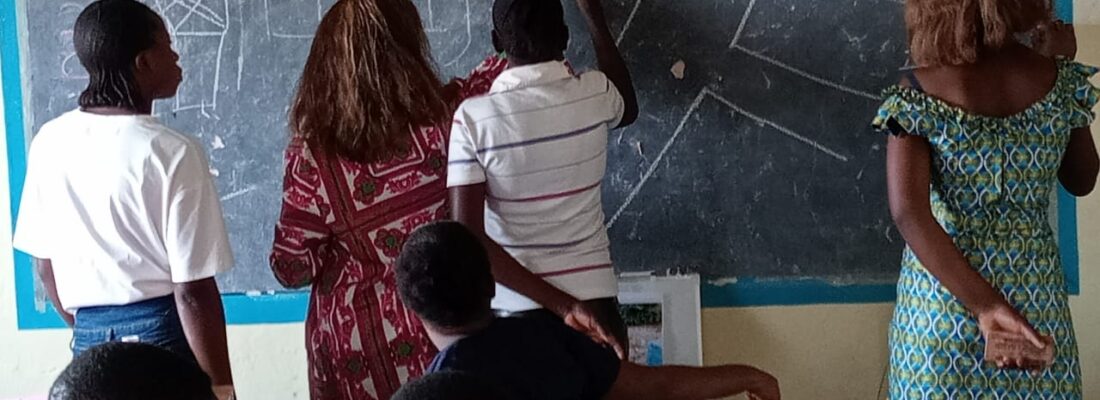
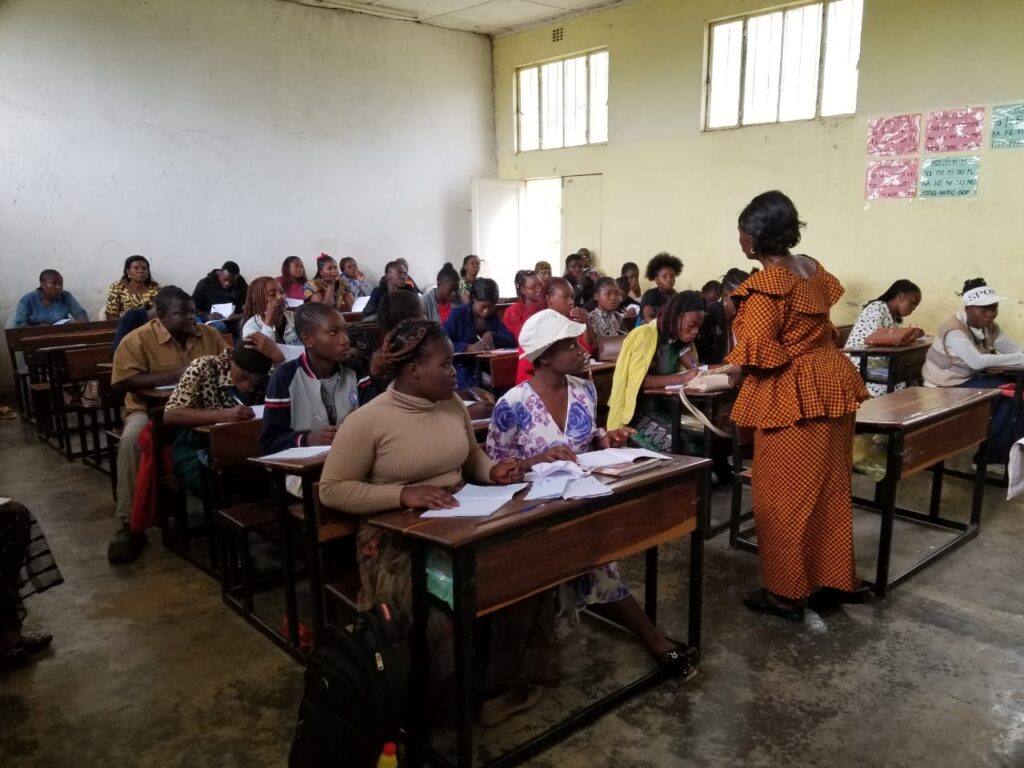
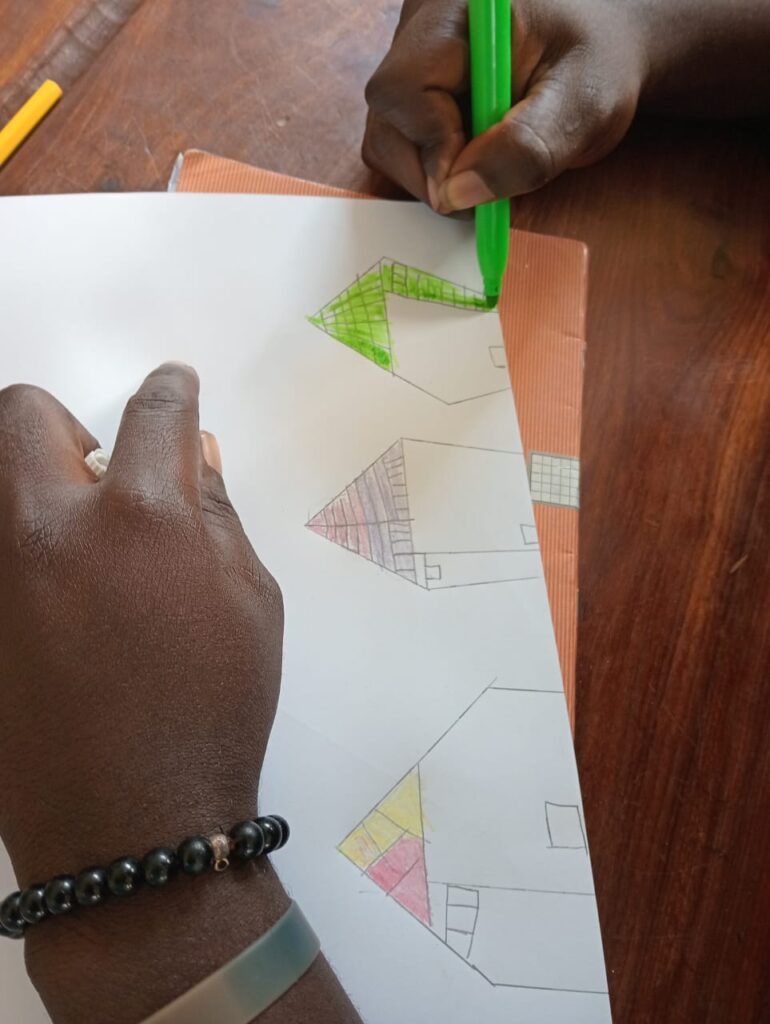
The project began with a series of awareness raising activities led by the Dominican Sisters of Likasi for students enrolled in their literacy and vocational training program. Between January and June 2026, the Sisters transformed their center into a space for critical reflection and dialogue. Young participants took part in roundtable discussions exploring how artisanal mining shapes daily life, family dynamics, and future prospects. They created posters and collages expressing the dangers faced by miners and the environmental degradation surrounding extraction sites. An exhibition of their work sparked further conversations, allowing students to articulate their concerns and hopes for safer, more sustainable livelihoods.
A documentary screening offered visual stimuli for an exchange among the students. Later, small skits were performed depicting the ripple effects of mining on families, highlighting issues such as school dropout, health risks, and the pressures placed on young people to contribute to household income. By the end of the program, the evaluations showed that participants had not only absorbed the key messages but felt empowered to share this knowledge within their communities. An essential step in building grassroots awareness.
Documenting reality on the ground (this part could also be linked with the one on field visits below, but I kept them separated)
To support broader advocacy efforts, a brochure was developed summarizing the findings of our previous research on human rights impacts of artisanal mining in Haut‑Katanga. Published in French and English, the brochure distilled field data into accessible messages for policymakers, civil society, and international partners. It was shared with diplomatic missions in Geneva and via our social media channels to distribute it as widely as possible. It was also used throughout the project as a reference tool during workshops and community dialogues.
LES IMPACTS DES MINES ARTISANALES SUR LES DROITS HUMAINS DANS LA PROVINCE DU HAUT-KATANGA (RDC) Résultats clés – UNOP Dominicans for Justice and Peace: From Local to Global: Raising Awareness and Advocating for Human Rights in Likasi’s Artisanal Mining Sector THE IMPACTS OF ARTISANAL MINING ON HUMANRIGHTS IN THE PROVINCE OF HAUT-KATANGA (DRC) – UNOP Dominicans for Justice and Peace: From Local to Global: Raising Awareness and Advocating for Human Rights in Likasi’s Artisanal Mining SectorLocal advocacy as a driver for change
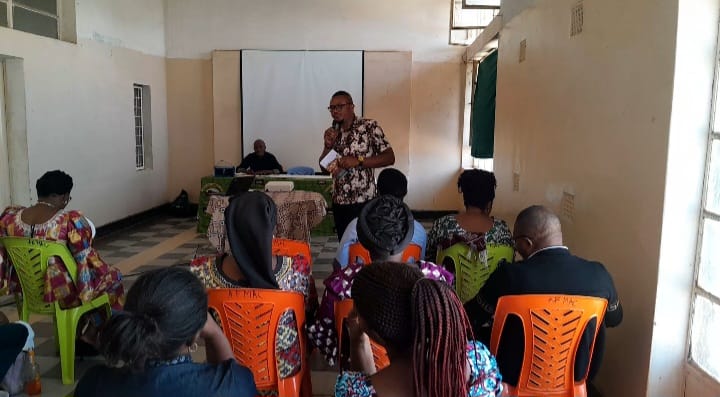
Local advocacy activities in Likasi formed the heart of the project’s second phase. Because advocacy requires evidence, our local team visited several artisanal mining sites to document changes since our last mission in 2024. While some operations had undergone partial formalization, miners’ living and working conditions remained largely unchanged. Health risks persisted, child labor continued to be observed, and the most vulnerable miners, particularly women and young people, remained excluded from emerging formal structures. These findings were presented during a workshop attended by 29 civil society representatives, who worked together to identify advocacy priorities and formulate concrete recommendations aimed at protecting human rights in artisanal mining zones.
A subsequent roundtable brought together 27 participants, including representatives from the political and administrative authorities of Likasi’s four municipalities. The discussion centered on how local policies could better address the realities faced by artisanal miners and ensure that women and children are not left behind. The event received significant coverage in local media, helping bring visibility to the concerns raised and reinforcing the importance of sustained dialogue between communities and authorities.
Bringing local voices to the global stage in Geneva
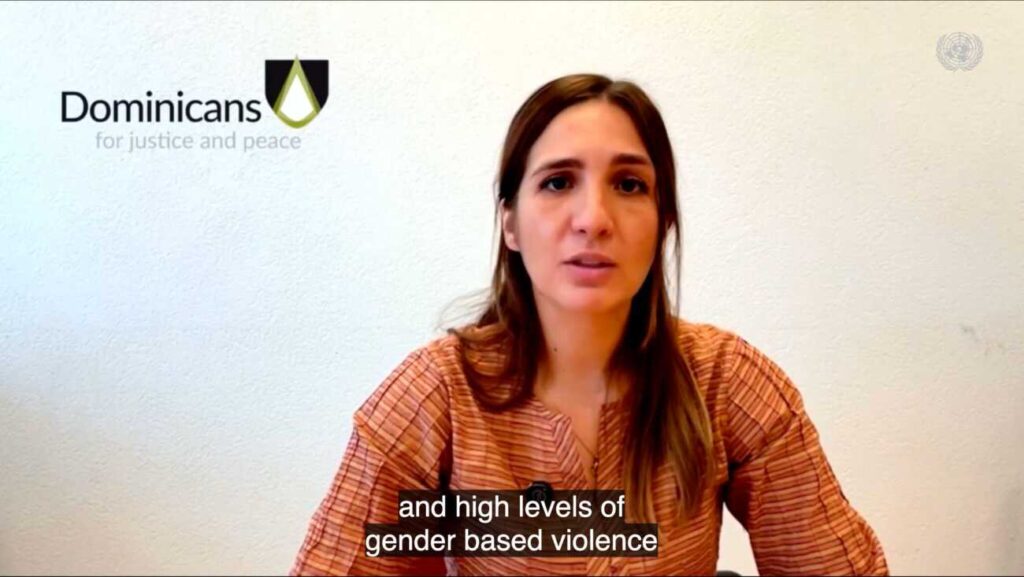
The project’s final dimension unfolded on the international stage. At the 61st session of the United Nations Human Rights Council, Dominicans for Justice and Peace delivered an oral statement highlighting the situation in Haut‑Katanga and the urgent need to protect the rights of women and youth involved in artisanal mining. Alongside this intervention, discussions were held with international stakeholders to maintain global attention on the human rights implications of cobalt and copper extraction, minerals that fuel global industries but often come at a high human cost.
Through these combined efforts, awareness raising and advocacy, at both national and international levels, the project strengthened the voices of those living at the heart of Congo’s mining economy. It reaffirmed that meaningful change requires action at every level: empowering communities, informing authorities, and ensuring that global conversations reflect the lived realities of those who extract the minerals powering the world’s transition to new technologies.
No Comments
Sorry, the comment form is closed at this time.